
The buyer-side perspective
A market guide should help a buyer decide where to focus — not simply promote a destination. Ready Group Japan starts with the client's purpose, budget, lifestyle, risk tolerance and ownership plan, then tests whether a location and property actually fit that brief.
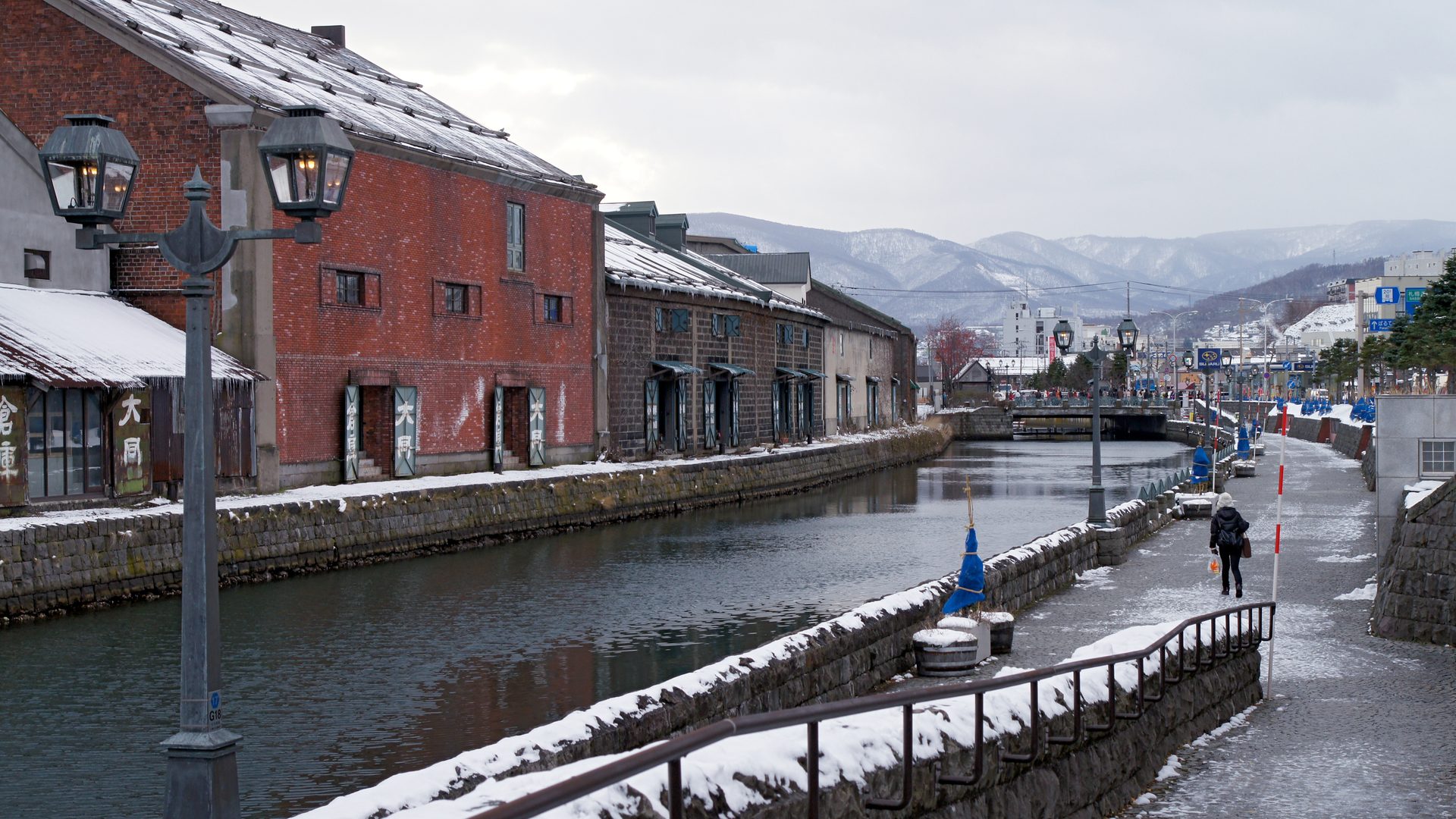
Why buyers look at Otaru
- Otaru offers a different proposition from a purpose-built resort: an established city, historic streetscape, port, local services and year-round residential life.
- Its proximity to Sapporo and New Chitose Airport broadens the potential owner and visitor base.
- Property opportunities can range from homes and apartments to commercial, hospitality and redevelopment assets.
Tourism is meaningful — but location still rules
- Otaru City reported more than 8.3 million tourism visits in FY2025, with overnight guests exceeding one million for the first time and foreign overnight guests reaching a record level.
- That supports the city's tourism relevance, but demand is uneven by neighbourhood and property type; a busy visitor economy does not make every asset a good accommodation investment.
Access
- JR connections link Otaru with Sapporo and New Chitose Airport, making the city comparatively easy to reach without a car.
- For owner-occupiers, station access, hill gradient, winter road conditions and parking can be more important than straight-line distance.
What international buyers should test
- Whether the property's intended use is compatible with local rules and building conditions.
- Snow management, slope/access and parking — especially for hillside or older properties.
- Renovation scope for historic or older buildings.
- For hospitality: licensing route, operating economics, neighbour impact and professional management.
- For residential investment: local tenant demand and realistic achievable rent, not tourism numbers alone.
A city with competing uses
- Otaru is balancing tourism growth with resident quality of life, including attention to congestion and overtourism in selected areas.
- That makes responsible location selection and use planning particularly important for foreign buyers considering short-stay or redevelopment concepts.
Who Otaru may suit
- Buyers who want Hokkaido access without being limited to a ski-resort economy.
- Owners who value a real city environment and year-round services.
- Investors prepared to distinguish tourism, residential and redevelopment theses rather than applying one generic “Hokkaido” strategy.
Questions to answer before buying
- What will the property primarily do for you: home, holiday base, rental asset, development project, or a blend?
- How often will you personally use it, and in which seasons?
- What level of operating complexity are you willing to accept?
- Which costs and risks matter most: price, renovation, management, snow, transport, licensing, or resale?
- What would make you walk away from an otherwise attractive property?
Ready Group Japan approach
We work on the buyer's side. The objective is not to steer clients toward a particular listing or neighbourhood, but to define the brief, compare options and identify the practical questions that need to be answered before commitment.
Other market guides
Considering Otaru? Start a conversation →
Information note
Market conditions, regulations, tax treatment and transport schedules can change. We use current official and industry sources where appropriate and recommend confirming transaction-specific matters before purchase.